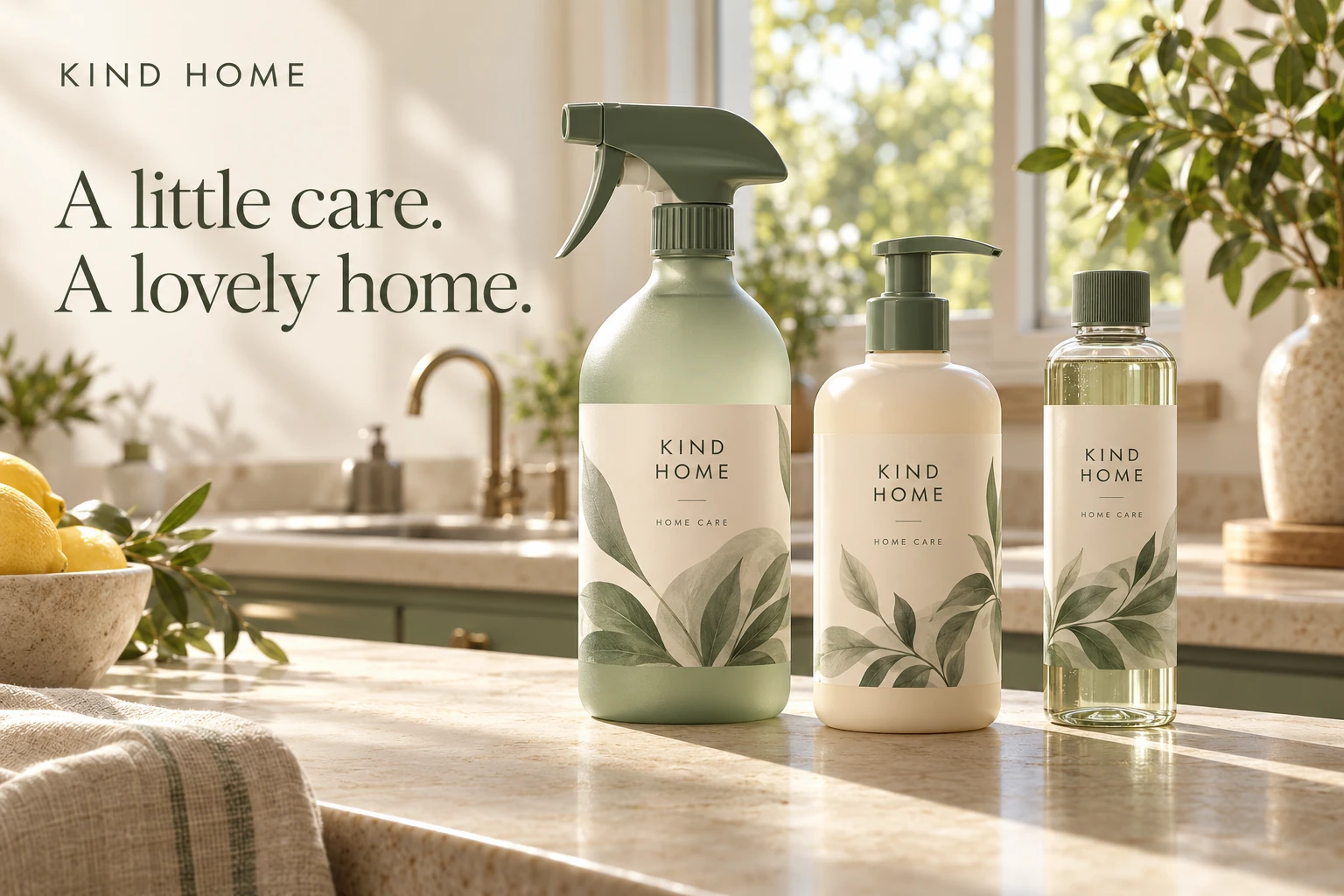
 MAKE
IT A
MOMENT.SHARE THE GOOD
Attention 74Brand 68Message 71CTA 62
CREATIVE TESTING / Hey Mischief LAB
We create, test and refine creative concepts before launch — using audience signals to explore attention, emotion, clarity and impact.

An illustrative creative review checks hierarchy and clarity before launch.
01 / SAME CREATIVE · DIFFERENT LENS
Explore one fictional campaign concept through four illustrative views.
 zest
02 / TWO WAYS OF SEEING
 zest
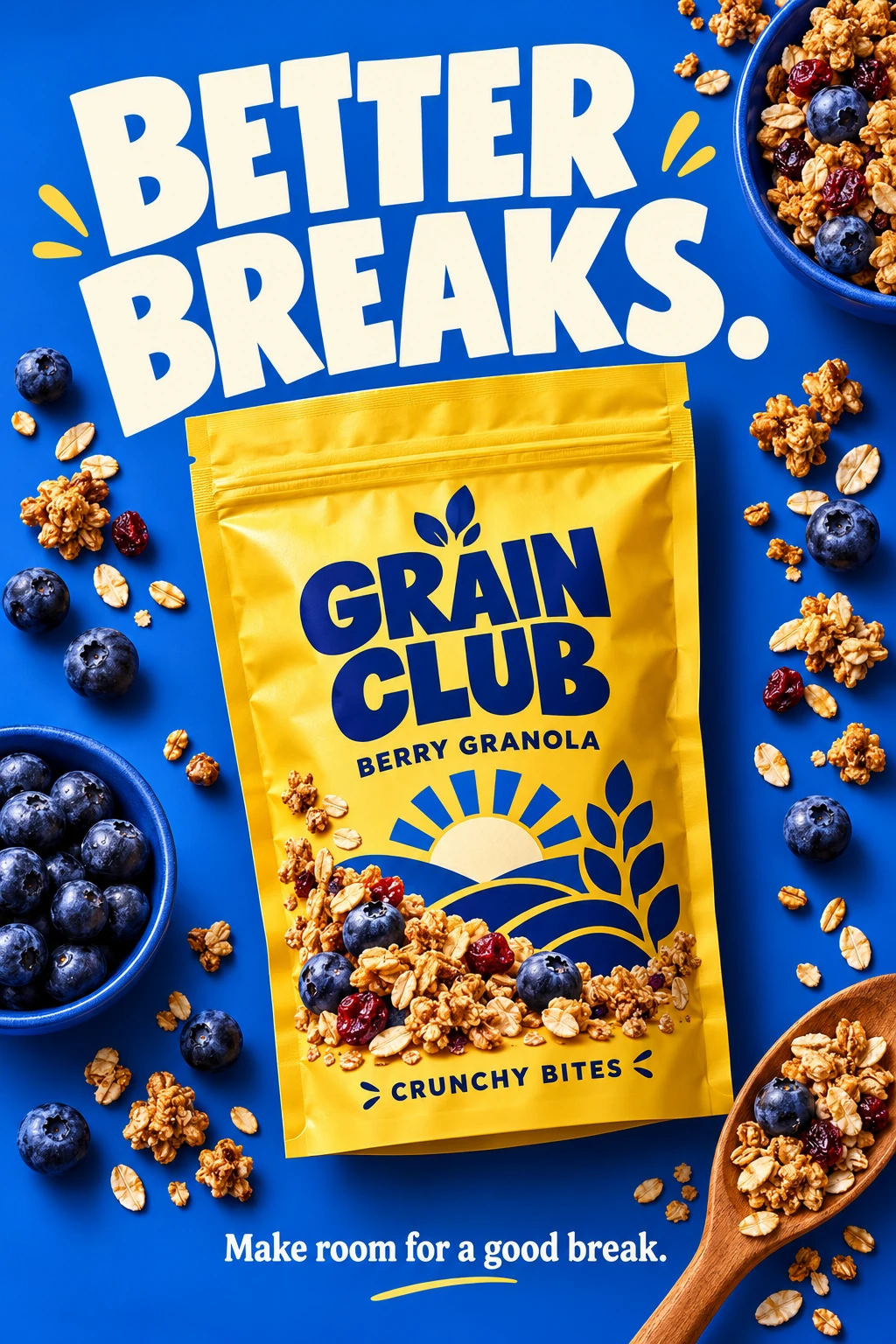
Deliberate balance. Thoughtful placement. A considered system.
 zest
The creative looks right. But the brand is being noticed late.
03 / ATTENTION · THEN ACTION
Move the call to action and see how this illustrative readout changes.
 zest
Directional visualization only. A heatmap does not prove shelf performance or sales.
04 / CREATIVE SIGNAL
Many perspectives. One decision-support signal.

Illustrative creative evaluation · These values are not live audience data, guaranteed predictions or measures of sales.
05 / SIGNAL → DECISION
The value isn't an image score. It's the creative decision that follows.
06 / TEST → LEARN → REFINE
Drag across the creative to compare two conceptual directions.
 zest
 zest
Directional example — actual outcomes depend on audience, media, product and market conditions. Values are illustrative.
07 / EMOTION · CREATIVE INTENT
Hover or tap a signal to explore its illustrative strength.
 zest
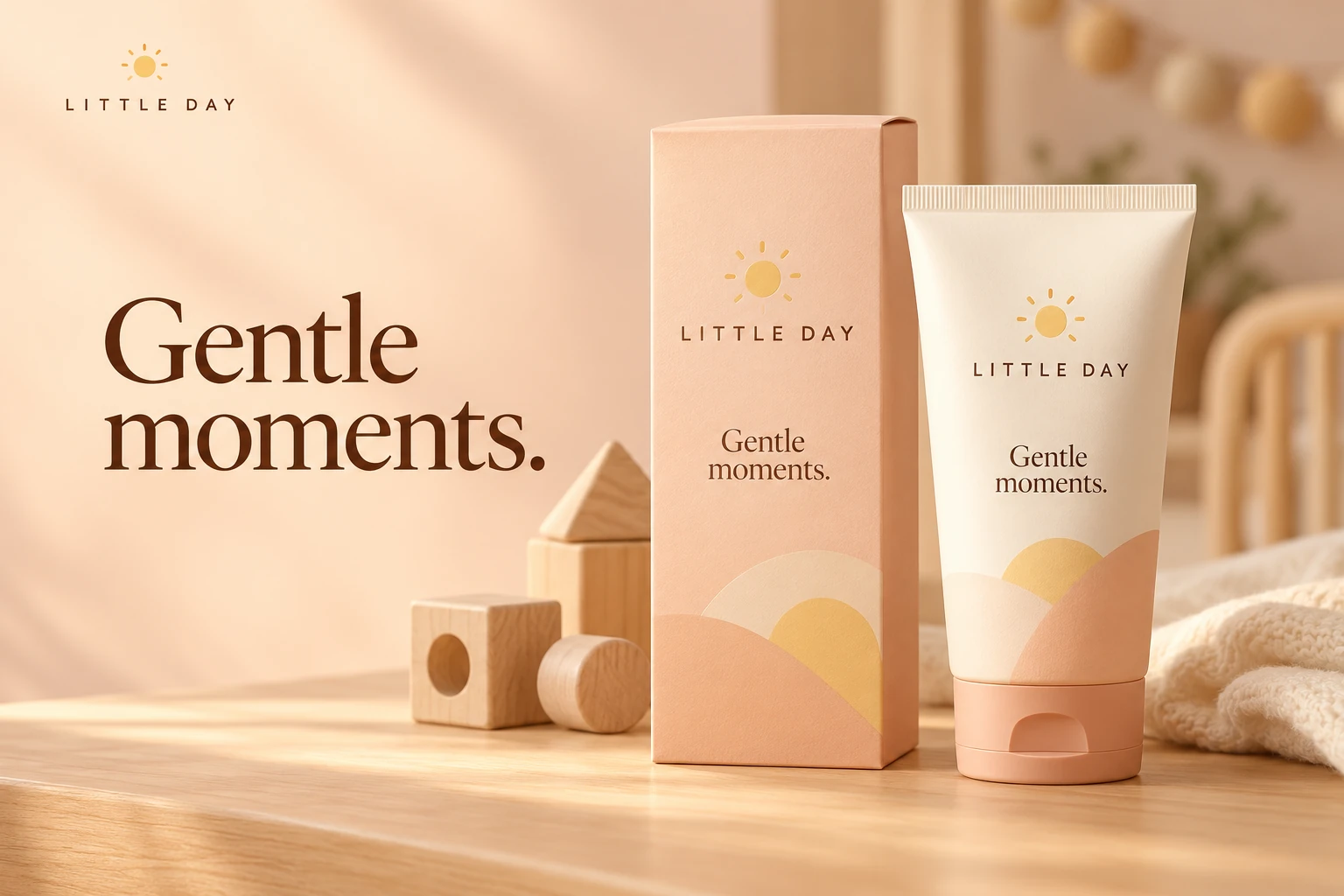
Explore an emotional direction the creative may be designed to evoke.
We explore emotional direction as a signal that may support or challenge creative intent. It is not a clinical or validated psychological assessment.
08 / SIMULATED AUDIENCE VIEW
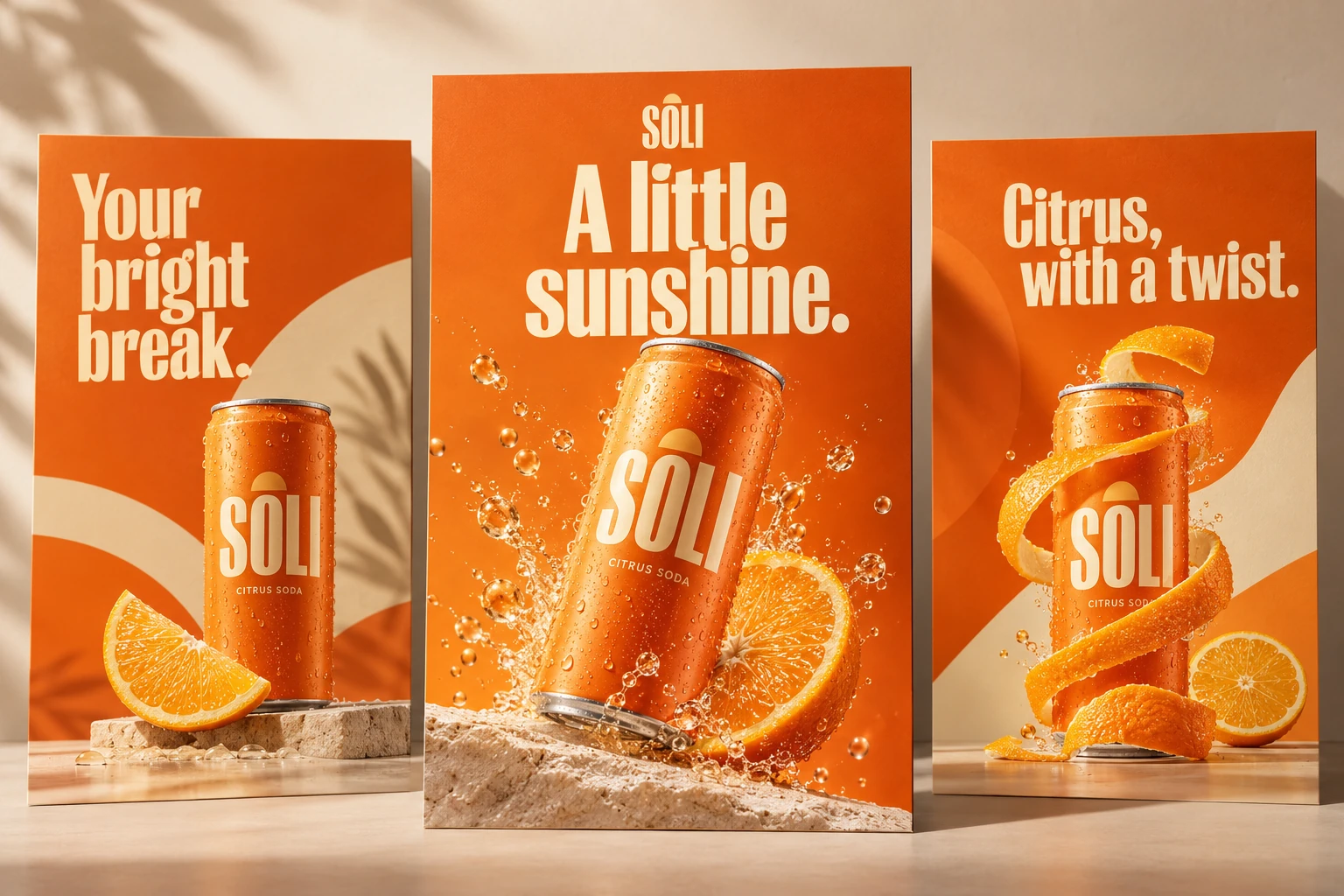
Explore a different creative direction for each audience context. These are illustrative hypotheses to review with real people.
 zest
Simulated audience analysis provides directional hypotheses. Validate with real respondents when required.
09 / CREATIVE VARIANTS
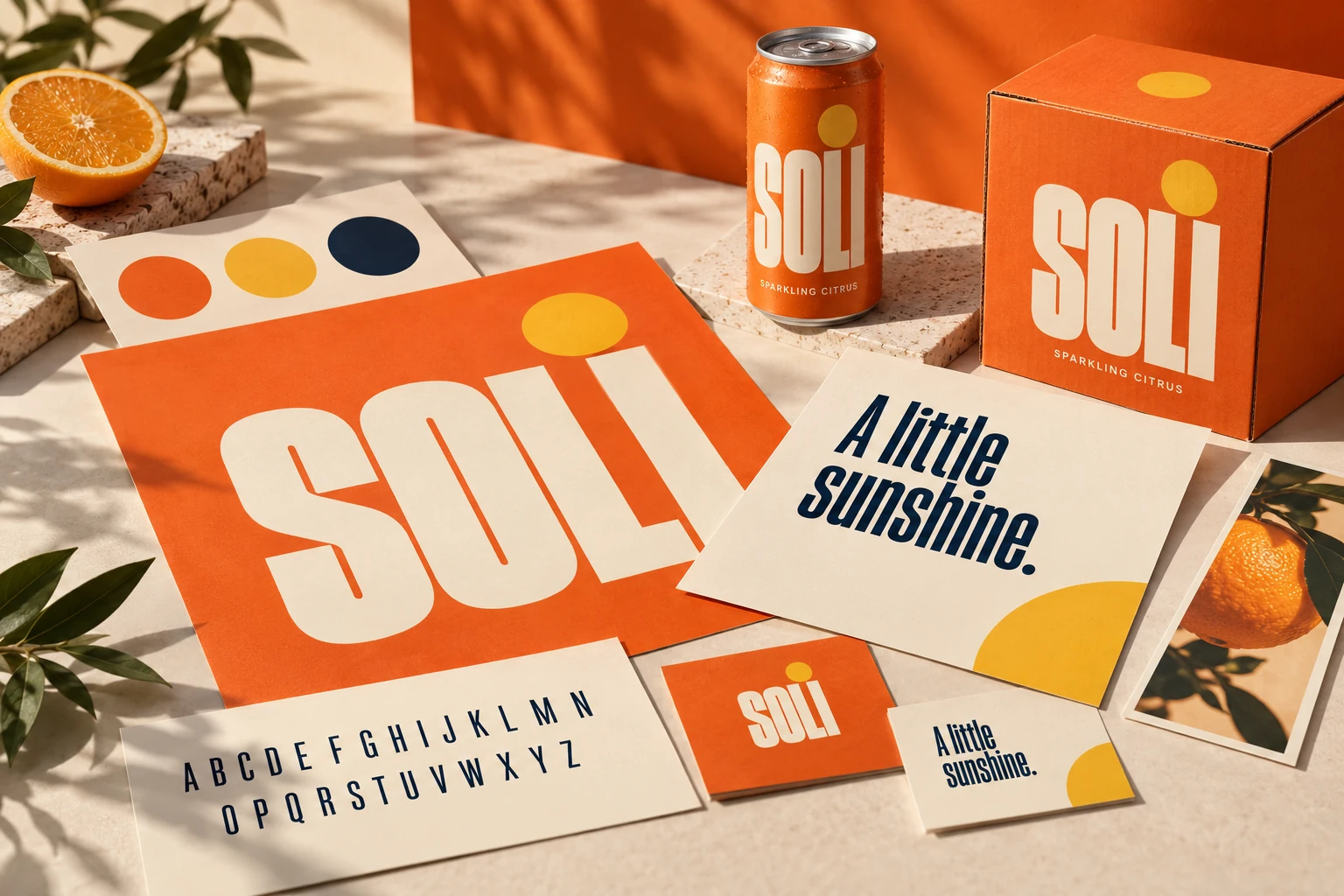
Compare five coherent directions for the same SOLI product. Select an image to explore the communication question and illustrative readout.
Consider how packaging reads among competing products at the buying moment.
10 / COMPARISON · TRADE-OFFS
Compare two distinct creative ideas. Look for different strengths, not a single magic winner.
MAKE GOODNESS
Compare to see the trade-off between the two directions.
Concept scores are illustrative, not measured or predictive results.
11 / PREDICTIVE ≠ PERFORMANCE
An early directional read to help shape the next question.
DIRECTIONALObserve real people using or understanding the experience.
OBSERVEDMeasure actual audience behaviour in a live context.
BEHAVIOURALUse context, sample and outcome to make the next decision.
VALIDATED IN CONTEXTPredictive analysis, prototype research and live market tests answer different questions; they are not interchangeable.
12 / PROTOTYPE TESTING
THE QUESTION / THE OBSERVATION / THE REFINEMENT
Ask a participant to find a citrus drink and identify the next step.
Illustrative case study: this shows how a study can be structured. It does not claim participant results or a measured improvement.
13 / THE CREATIVE LOOP
14 / INSIDE THE CREATIVE LAB
Select an asset type to explore the questions it might be tested against.
A campaign concept can be explored as a whole and in its individual visual cues.
Bring a brief to the lab ↗15 / FMCG PACKAGING TEST
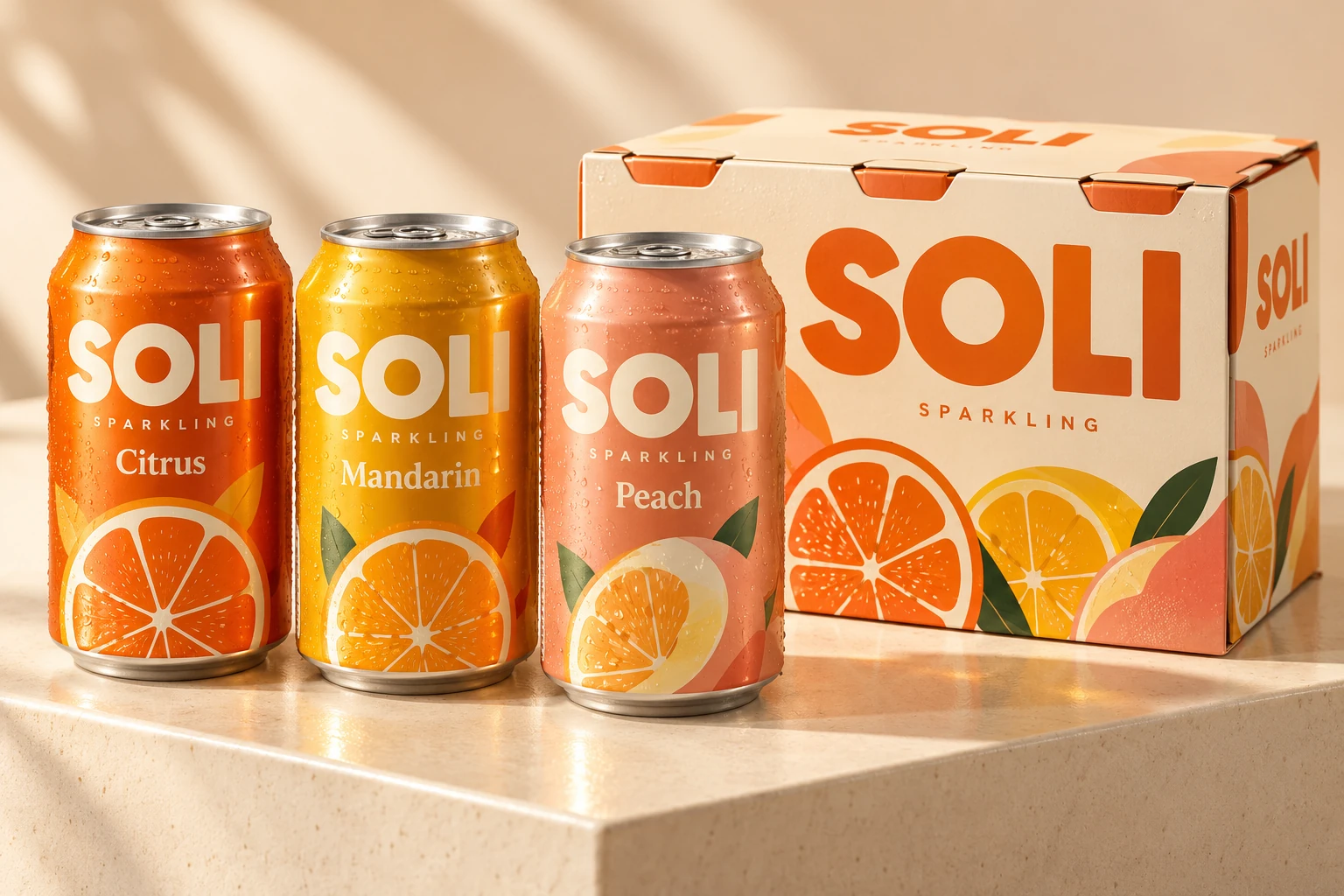
Explore shelf visibility signals across three illustrative pack directions.
A shelf visibility signal is not proof of actual shelf sales.
16 / CAMPAIGN ECOSYSTEM
Does the product cue feel connected to the campaign idea?
17 / DIGITAL PROTOTYPE
Fruit-forward refreshment for everyday moments.
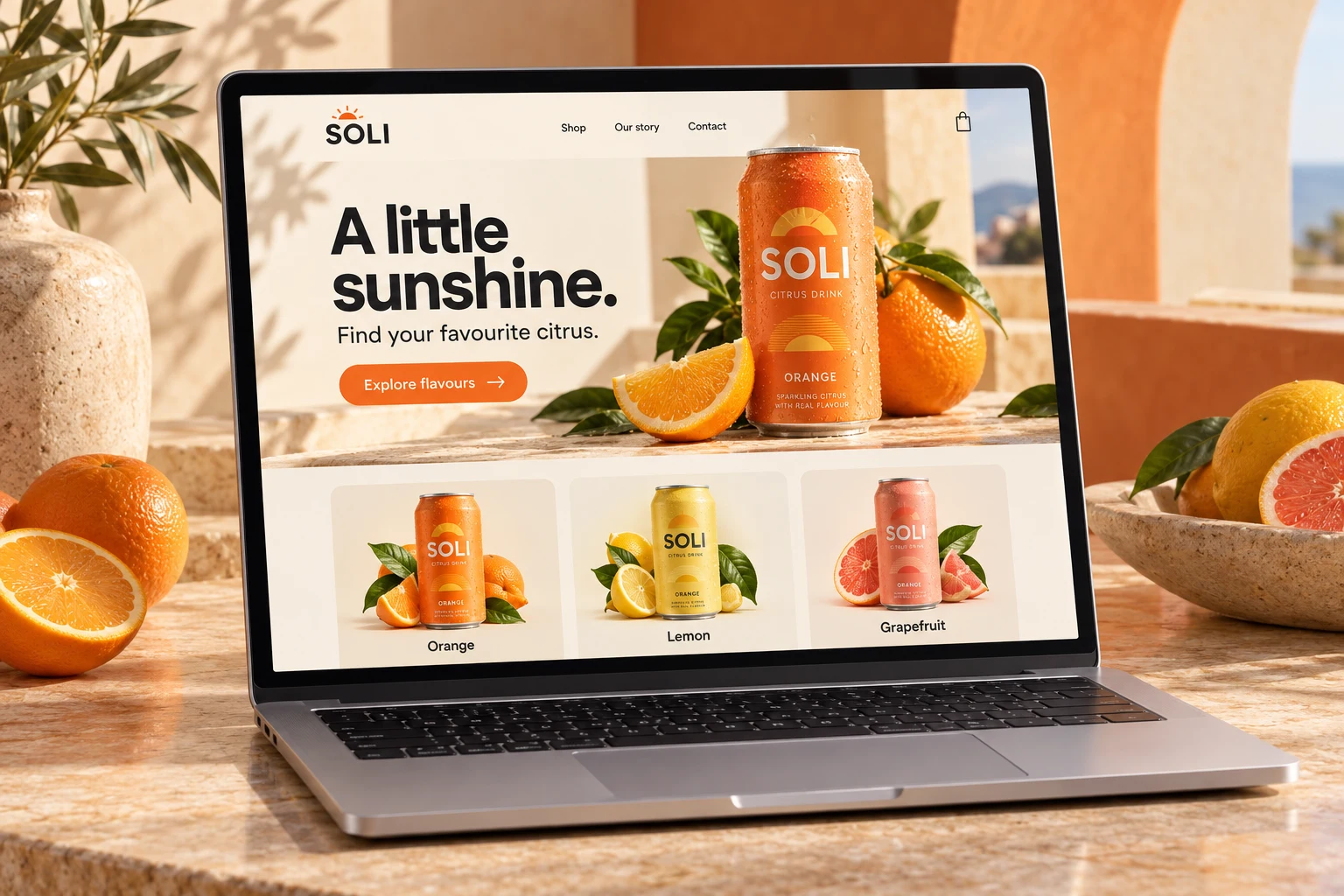
Make the product, the flavour and the next action easy to understand at first glance.
 Product / What it is
 Flavour / Why it matters
 Range / Find your choice
A focused headline, useful product information and a visible route to the range. Compare the hierarchy in version A and version B.
Illustrative website concept / Original SOLI creative
Compare two information hierarchies. The website scrolls inside the laptop; pause or drag the position control to inspect a section. This is a concept demonstration.
Illustrative prototype signals only. Real usability research observes people interacting with a functioning or testable prototype.
18 / PEOPLE MAKE THE CALL
We don't replace creative judgement with a score.
We give creative teams another perspective.
The idea still comes from people.
The strategy still comes from people.
The final decision still comes from people.
The evidence simply makes the conversation better.
19 / WHAT A CLIENT RECEIVES
Open the illustrative report to see how the observations can be organised.
Illustrative creative evaluation, not live research.
20 / CONCEPT CASE STUDY
Three illustrative rounds, one clearer creative direction.
 zest
Product attention is strong, but brand visibility is weak.
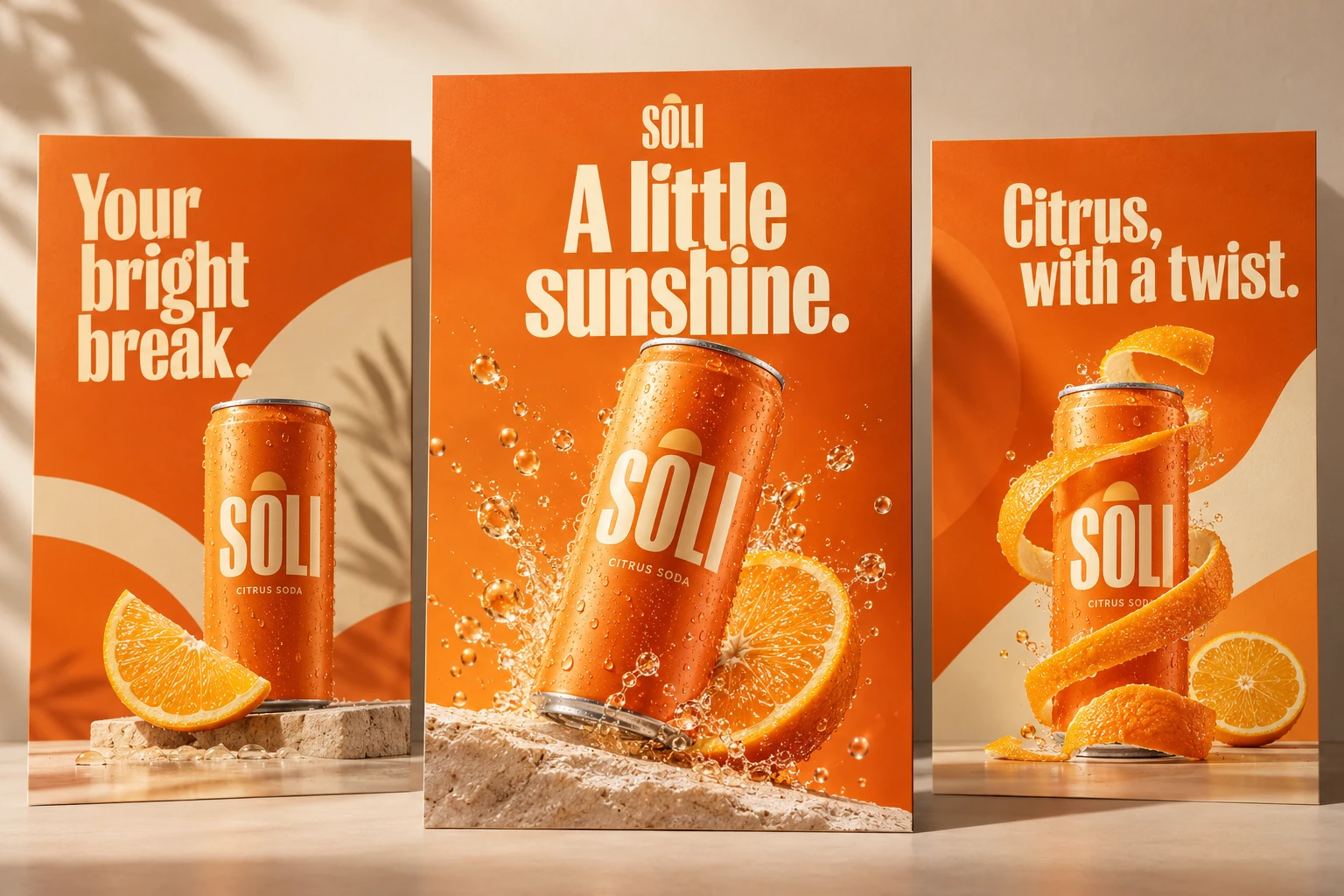 zest
Brand visibility improves while keeping focus on product.
 A
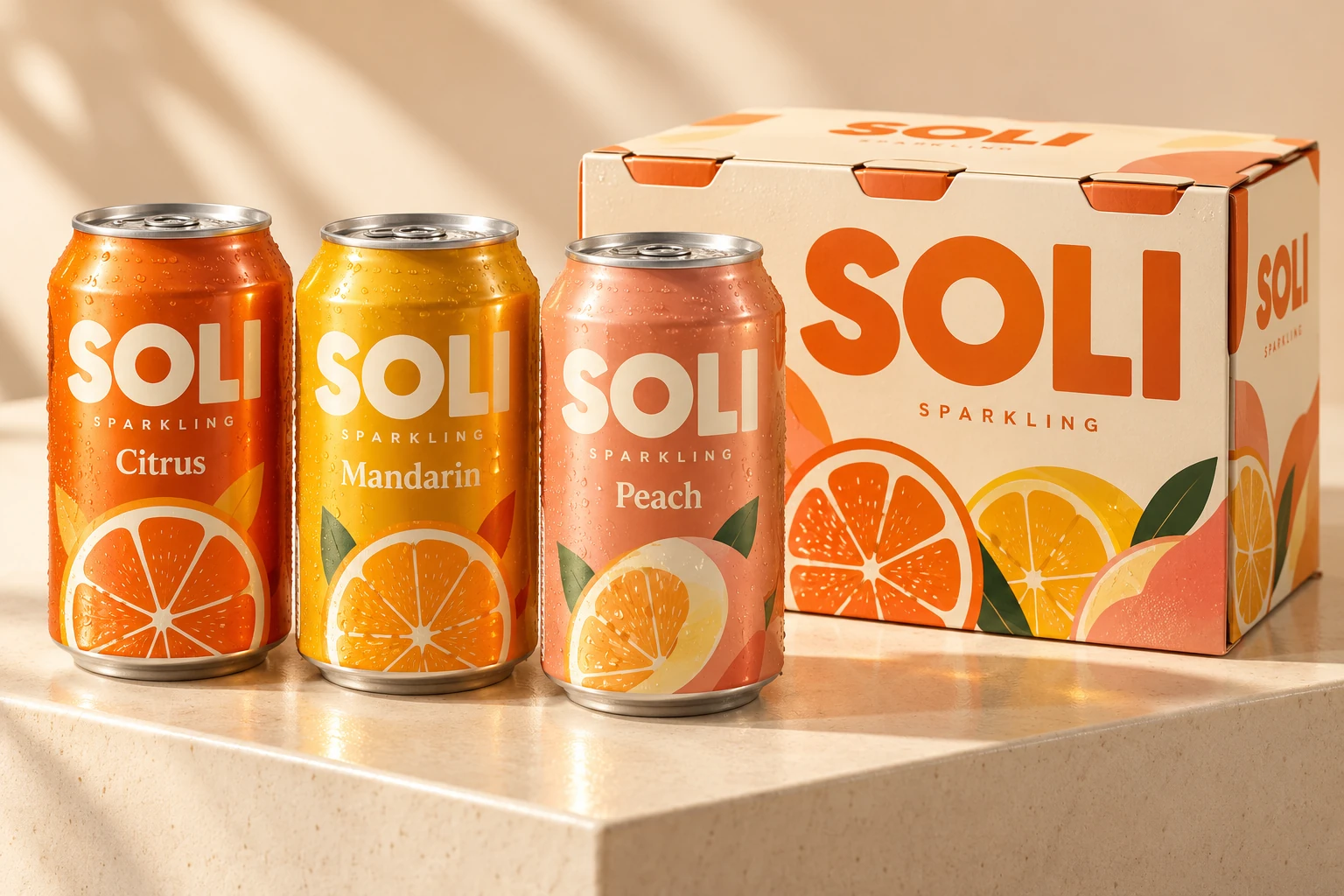 B
Explore audience response before selecting what to validate next.
Conceptual demonstration. Scores and observations are illustrative and do not represent client data or market outcomes.
THE MARKET DOESN'T HAVE TO BE YOUR FIRST TEST
Bring the creative, the question and the context. We'll help shape the right way to learn.